



KILKARI
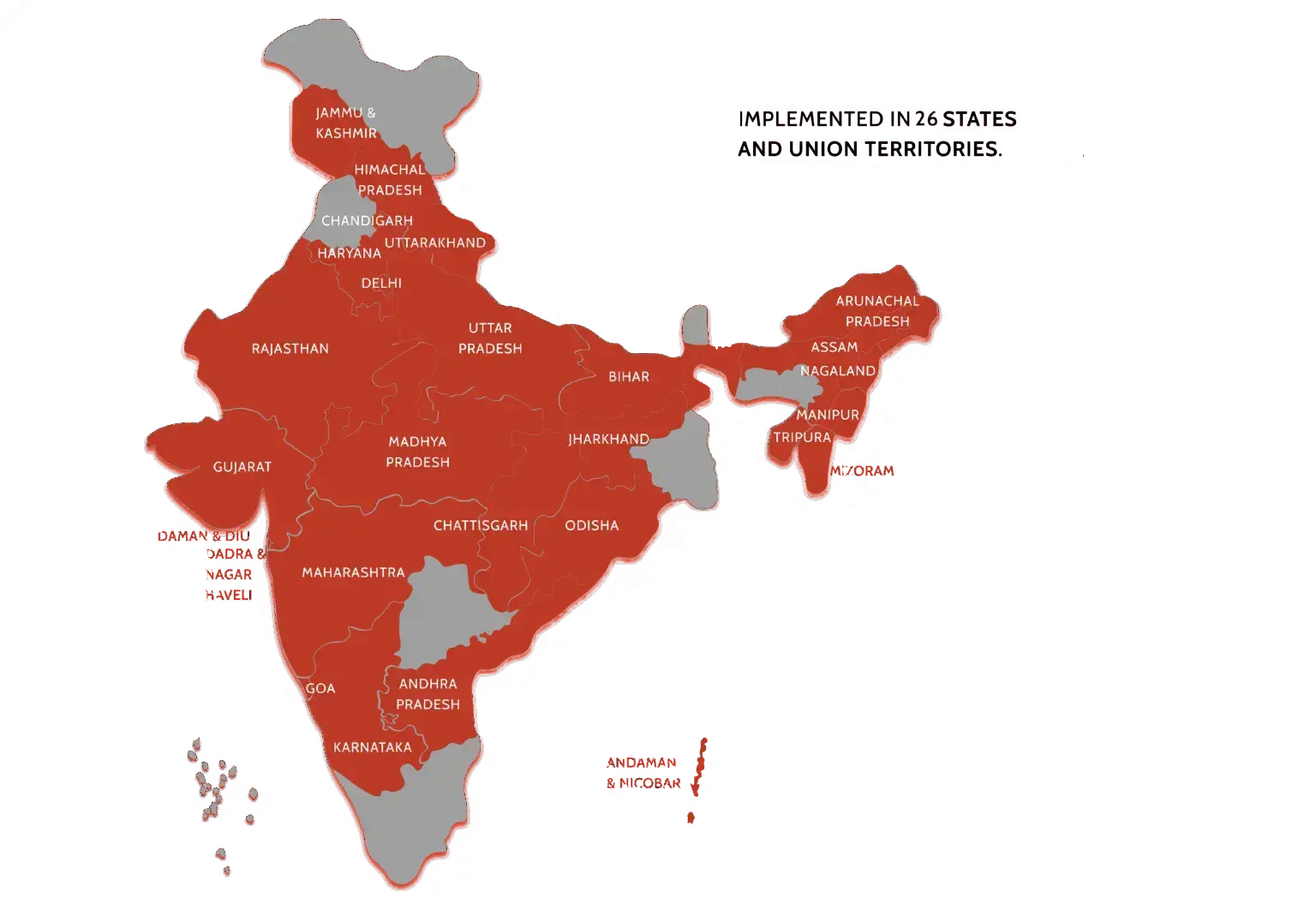
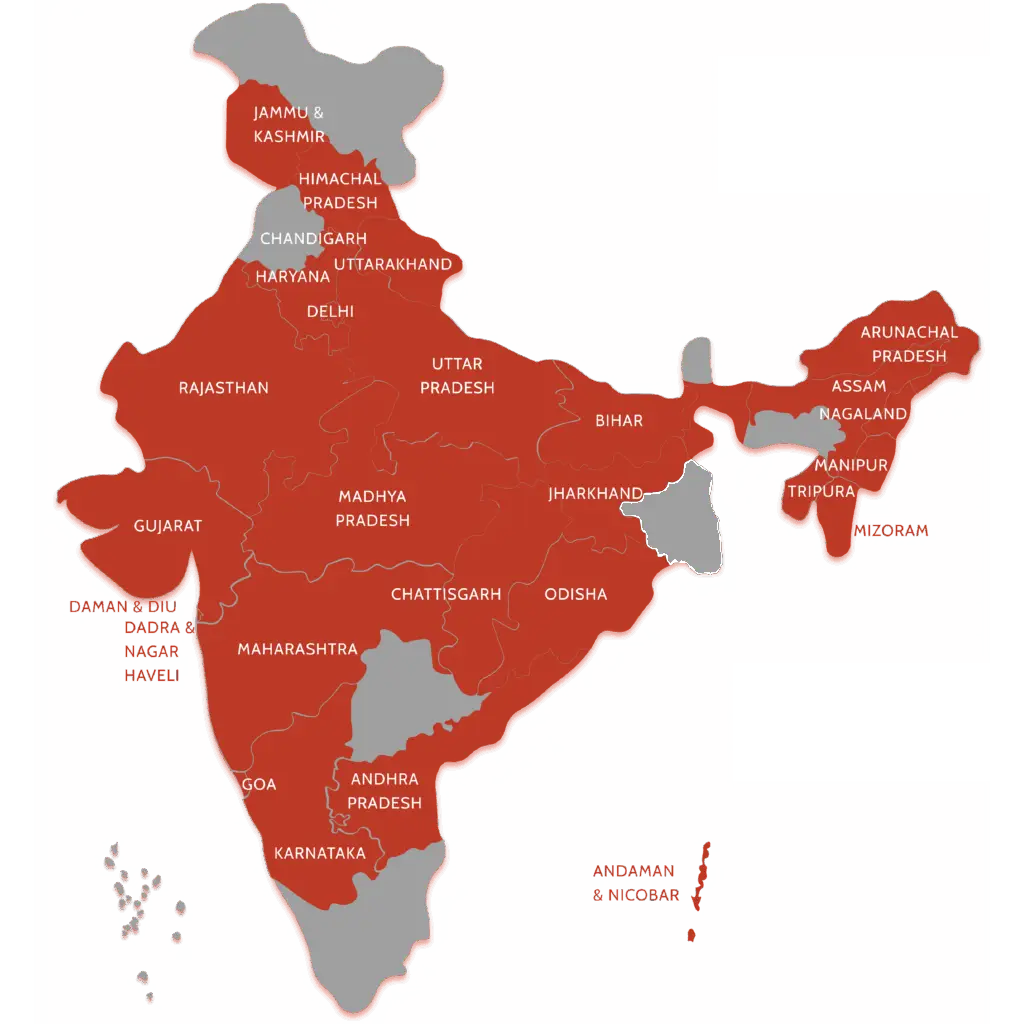
ARMMAN, in partnership with the Ministry of Health and Family Welfare, Government of India, implemented KILKARI, the largest mobile-based maternal messaging programme in the world, from the year 2019 to July 2026. Over a decade of implementation, the programme reached almost 78 million women and their children across 26 states and union territories.
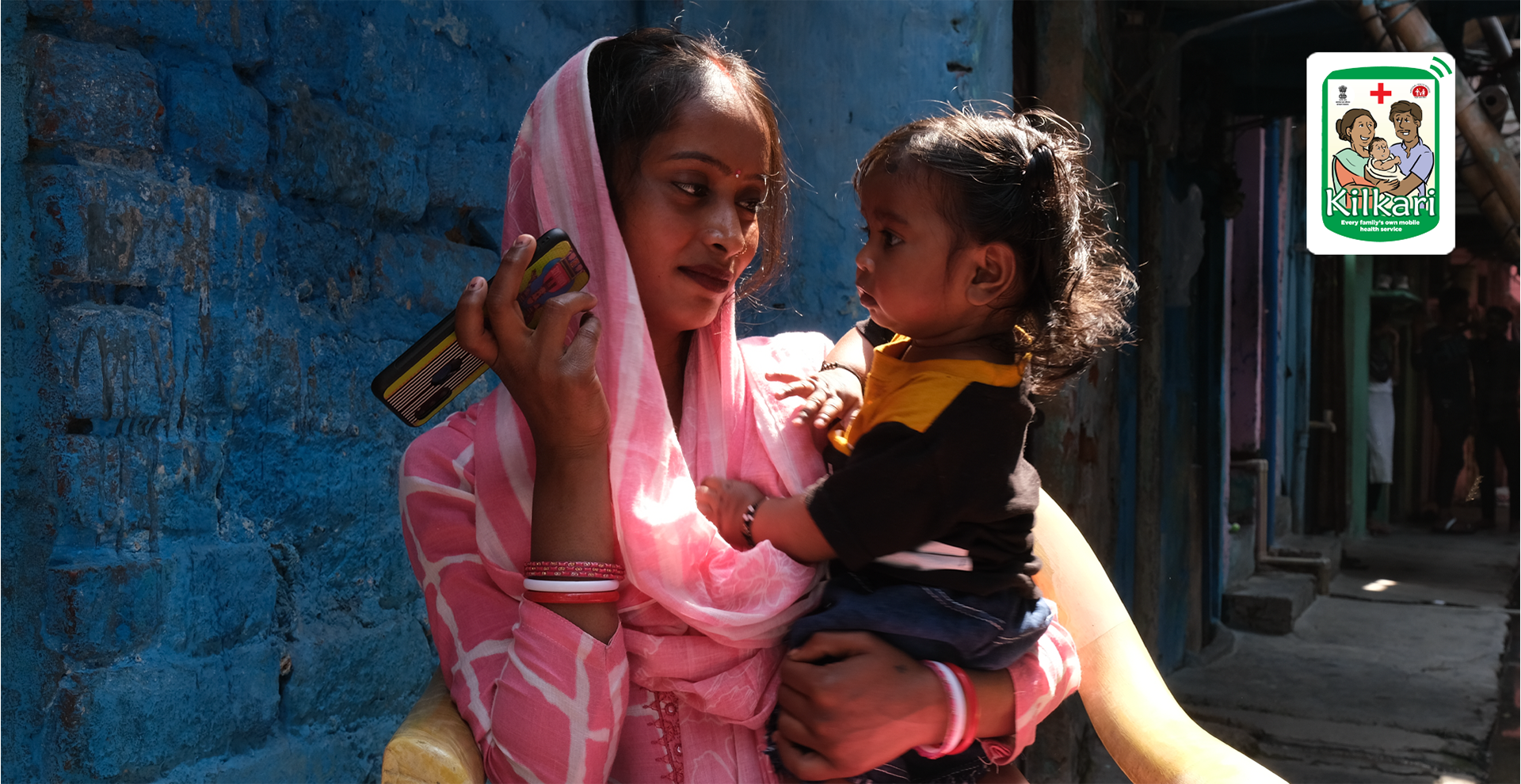
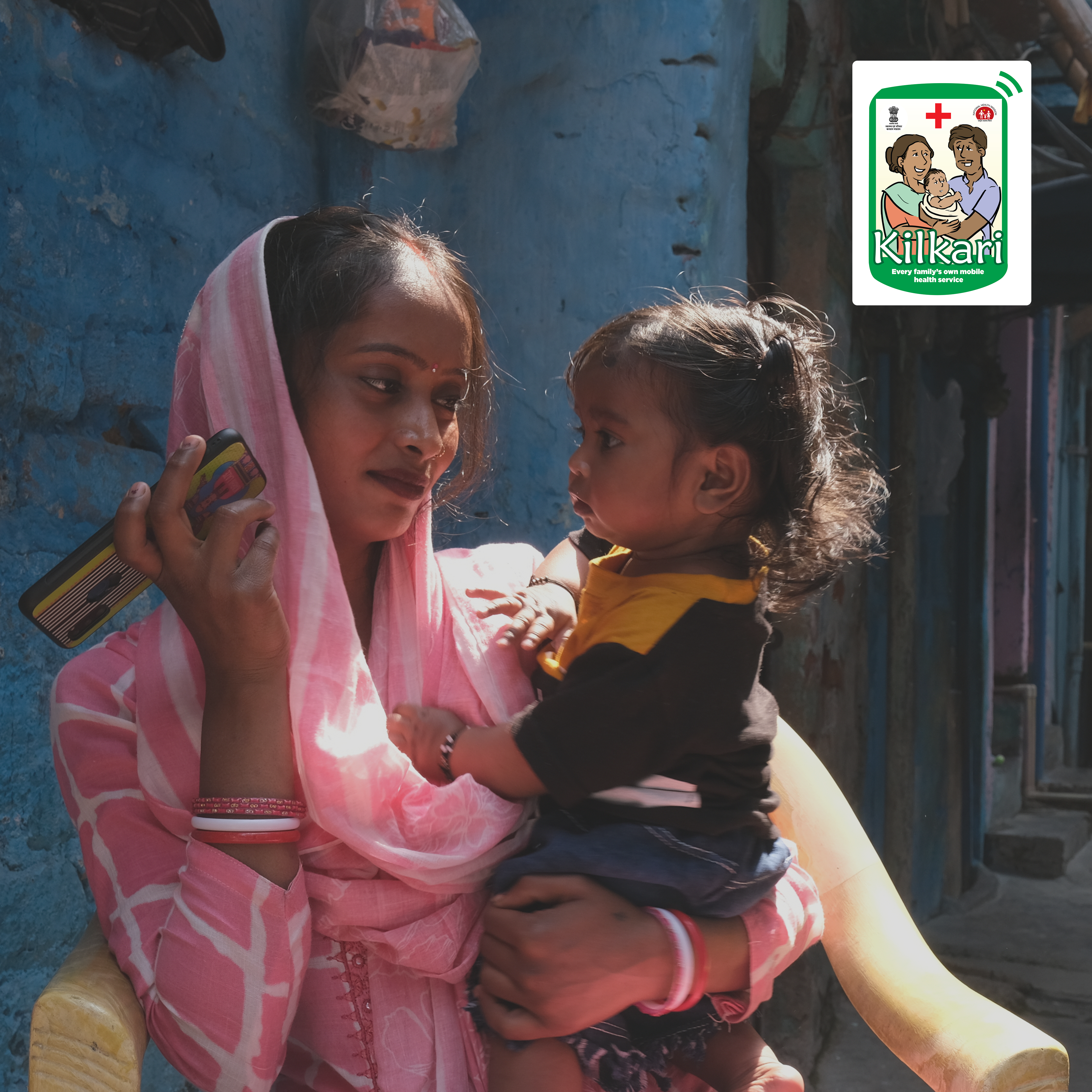
Kilkari delivered critical maternal and child health information directly to women through mobile-based messaging, supporting families with knowledge and information on preventive healthcare during pregnancy and early childhood.
- Improve families’ knowledge of preventive healthcare practices
- Improve uptake of life-saving preventive healthcare practices
- Enable families to seek timely care for health issues among pregnant women, mothers and their children


Kilkari is available in eleven languages:
Assamese, Bengali, Gujarati, Hindi, Kannada, Manipuri, Marathi, Mizo, Nagamese, Odiya, and Telugu.
KILKARI 2.0
The augmented version of the programme (Kilkari 2.0) uses multiple delivery channels like Interactive Voice Response (IVR) and WhatsApp to deliver multimedia content and facilitate two-way communication. Kilkari 2.0 version places greater emphasis on addressing high-risk factors, and challenges with regard to gender and equity.
Kilkari adopts a ‘fit-for-purpose’ approach whereby the content and the channel of communication is based on:
- women’s access to technology,
- presence of risk factors among pregnant women, mothers and their children, and
- equity encumbrance in women and children.
Low-risk women and children have access to nuanced voice calls and multimedia content with two-way communication using the WhatsApp messaging platform, based on their access to technology.
Those with high-risk conditions and/or facing inequities are supported via targeted content, 2-way communication, and long-term handholding (call centre/WhatsApp support).
Kilkari adopts a ‘fit-for-purpose’ approach whereby the content and the channel of communication is based on:
- women’s access to technology,
- presence of risk factors among pregnant women, mothers and their children, and
- equity encumbrance in women and children.
Low-risk women and children have access to nuanced voice calls and multimedia content with two-way communication using the WhatsApp messaging platform, based on their access to technology.
Those with high-risk conditions and/or facing inequities are supported via targeted content, 2-way communication, and long-term handholding (call centre/WhatsApp support).


Kilkari adopts a ‘fit-for-purpose’ approach whereby the content and the channel of communication is based on:
- women’s access to technology,
- presence of risk factors among pregnant women, mothers and their children, and
- equity encumbrance in women and children.
Low-risk women and children have access to nuanced voice calls and multimedia content with two-way communication using the WhatsApp messaging platform, based on their access to technology.
Those with high-risk conditions and/or facing inequities are supported via targeted content, 2-way communication, and long-term handholding (call centre/WhatsApp support).


The programme will expand to all States and Union territories across India by the year 2026.
Implemented in 26 States and Union Territories.


REACH(till July 2026)
IMPACT
SYSTEM STRENGTHENING
We actively collaborated with the public health system to enhance data quality by building the capacity of health workers and strengthening protocols and processes for accurate data entry. Improving the quality and accuracy of data in the Government portal has a cascading effect resulting in women receiving benefits of more Government schemes.
EQUITY PILOTS
We acknowledge inequity as a significant risk factor that intersects with physiological risks. Conditions like anemia and undernutrition, which can cause or exacerbate other health issues, are more prevalent among the most disadvantaged populations, amplifying their vulnerability.


- Religious Minorities,
- Migrants,
- Scheduled Castes and
- Scheduled Tribes.
Pilots are being implemented in NUH DISTRICT IN HARYANA, BETUL DISTRICT IN MADHYA PRADESH AND SLUMS OF DELHI & MUMBAI with the identified vulnerable and equity-encumbered population in collaboration with NGO partners.
INNOVATIONS
ARMMAN has sharpened its focus on innovation, using Artificial Intelligence (AI) and the WhatsApp platform to enhance the efficiency of our interventions.


- A pilot to test WhatsApp as a delivery channel for Kilkari was conducted in Jharkhand and Haryana in 2023. The results highlighted the effectiveness of videos, the support role of posters, and the need for state specific dialects in content, informing the development of Kilkari 2.0.


- A pilot is ongoing in Odisha’s Ganjam and Sundargarh districts targeting Kilkari subscribers who are pregnant and suffer from high risk conditions of diabetes, hypertension, and severe anemia. The voice calls cover high risk symptoms, danger signs, check ups, nutrition, delivery care, postpartum care, and long term health practices.
CASE STORIES


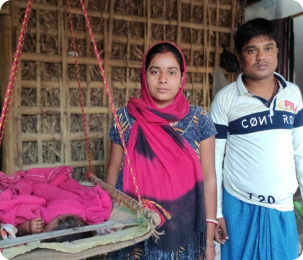
Kilkari Calls Guided Me on How to Care For My Wife and Child
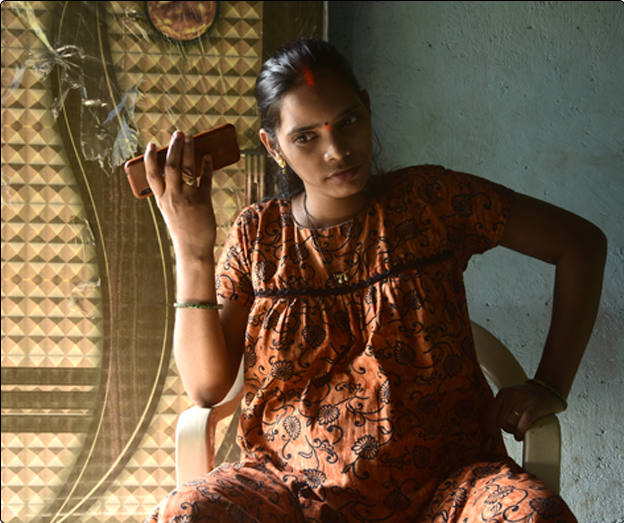
Daisy Kumari, a first-time mother, listens to the Kilkari calls with her husband, gaining essential information that helped her have a healthy delivery.
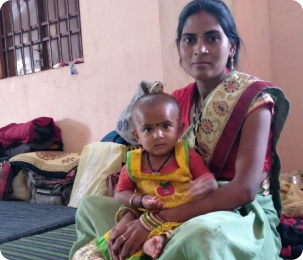

Kilkari Inspired Me to Pursue a Career as a Frontline Health Worker
Puja Verma from Raipur, Chhattisgarh, shares how listening to Kilkari calls during her pregnancy provided her with the knowledge that later helped her become a health worker.


Kilkari Calls Guided Me on How to Care For My Wife and Child
Daisy Kumari, a first-time mother, listens to the Kilkari calls with her husband, gaining essential information that helped her have a healthy delivery.


Kilkari Inspired Me to Pursue a Career as a Frontline Health Worker
Puja Verma from Raipur, Chhattisgarh, shares how listening to Kilkari calls during her pregnancy provided her with the knowledge that later helped her become a health worker.